Industrial-dust-fume-mist collectors
Industrial-dust-fume-mist collectors
Baghouse Dust collection systems
Baghouse Dust collection systems
Baghouse Dust collection systems
Baghouses are widely used, cost-effective, and efficient dust collection systems for industrial environments that
exhaust clean air.
Baghouses are widely used, cost-effective, and efficient dust collection systems for industrial environments that
exhaust clean air.
Baghouses are widely used, cost-effective, and efficient dust collection systems for industrial environments that
exhaust clean air.
What is a Baghouse Dust Collector?
What is a Baghouse Dust Collector?
A baghouse dust collector is an industrial dust collection system that uses fabric filter bags or pleated filters enclosed within a sheet metal housing to remove airborne dust, fumes, and particulate matter generated during industrial processes. It is one of the most commonly used and high-efficiency air pollution control devices, capable of achieving dust removal efficiencies of up to 99.9%.
Baghouse dust collectors are widely used across industries due to their cost-effectiveness, reliability, and ability to handle large air volumes while maintaining strict environmental compliance.
What Does a Baghouse Dust Collector Do?
A baghouse functions as an air pollution control system, capturing harmful dust particles from manufacturing environments and releasing clean, filtered air back into the atmosphere or workplace. These systems help industries:
Maintain clean and safe working conditions
Comply with environmental and emission regulations
Protect downstream equipment from dust damage
Improve overall process efficiency
A baghouse dust collector is an industrial dust collection system that uses fabric filter bags or pleated filters enclosed within a sheet metal housing to remove airborne dust, fumes, and particulate matter generated during industrial processes. It is one of the most commonly used and high-efficiency air pollution control devices, capable of achieving dust removal efficiencies of up to 99.9%.
Baghouse dust collectors are widely used across industries due to their cost-effectiveness, reliability, and ability to handle large air volumes while maintaining strict environmental compliance.
What Does a Baghouse Dust Collector Do?
A baghouse functions as an air pollution control system, capturing harmful dust particles from manufacturing environments and releasing clean, filtered air back into the atmosphere or workplace. These systems help industries:
Maintain clean and safe working conditions
Comply with environmental and emission regulations
Protect downstream equipment from dust damage
Improve overall process efficiency
How Does a Baghouse Dust Collector Work?
Key Features Mini Portable
Dust Collectors
A baghouse operates by using an induced draft fan or blower to draw dust-laden air into the collector. As the air passes through the fabric or pleated filter media, dust particles are trapped on the surface of the filters, forming a dust cake, while clean air passes through and exits the system.
Depending on the application and airflow requirements, baghouses may contain a few filters or several thousand filter bags, making them suitable for both small workshops and large industrial plants.
Key Components of a Baghouse Dust Collection System
Although baghouse dust collectors vary in size, airflow capacity, and design, most systems consist of the following essential components:
Dust collection hoods and pickup points to capture dust at the source
Ductwork to transport dust-laden air to the collector
Fabric filter bags or pleated filter cartridges to separate dust from the air
Industrial fans or blowers to move air through the system
Dust hopper or collection bin for safe dust discharge and disposal
Key Components of a Baghouse Dust Collection System
Although baghouse dust collectors vary in size, airflow capacity, and design, most systems consist of the following essential components:
Dust collection hoods and pickup points to capture dust at the source
Ductwork to transport dust-laden air to the collector
Fabric filter bags or pleated filter cartridges to separate dust from the air
Industrial fans or blowers to move air through the system
Dust hopper or collection bin for safe dust discharge and disposal
A baghouse operates by using an induced draft fan or blower to draw dust-laden air into the collector. As the air passes through the fabric or pleated filter media, dust particles are trapped on the surface of the filters, forming a dust cake, while clean air passes through and exits the system.
Depending on the application and airflow requirements, baghouses may contain a few filters or several thousand filter bags, making them suitable for both small workshops and large industrial plants.
Key Components of a Baghouse Dust Collection System
Although baghouse dust collectors vary in size, airflow capacity, and design, most systems consist of the following essential components:
Dust collection hoods and pickup points to capture dust at the source
Ductwork to transport dust-laden air to the collector
Fabric filter bags or pleated filter cartridges to separate dust from the air
Industrial fans or blowers to move air through the system
Dust hopper or collection bin for safe dust discharge and disposal
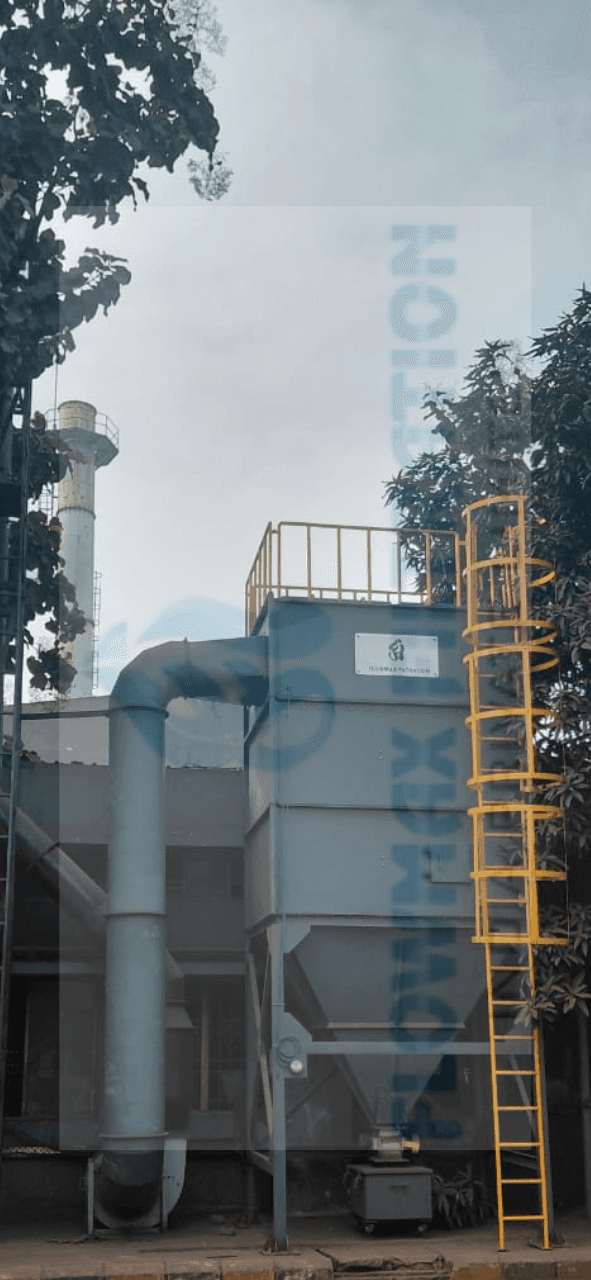
Key Components of a Baghouse Dust Collection System
Although baghouse dust collectors vary in size, airflow capacity, and design, most systems consist of the following essential components:
Dust collection hoods and pickup points to capture dust at the source
Ductwork to transport dust-laden air to the collector
Fabric filter bags or pleated filter cartridges to separate dust from the air
Industrial fans or blowers to move air through the system
Dust hopper or collection bin for safe dust discharge and disposal
Types of Baghouse Filter Media
How Does Portable
Dust Collector Work?
Selecting the correct filter media is critical for performance and filter life. Common filter options include:
Polyester filters for dry dust applications
Oleophobic treated filters for oily or sticky dust
Polypropylene filters for moist or corrosive environments
PTFE (Teflon) membrane filters for fine particulate and high-efficiency filtration
NOMEX filter which provide higher temperature resistance and improved abrasion resistance
Selecting the correct filter media is critical for performance and filter life. Common filter options include:
Polyester filters for dry dust applications
Oleophobic treated filters for oily or sticky dust
Polypropylene filters for moist or corrosive environments
PTFE (Teflon) membrane filters for fine particulate and high-efficiency filtration
NOMEX filter which provide higher temperature resistance and improved abrasion resistance
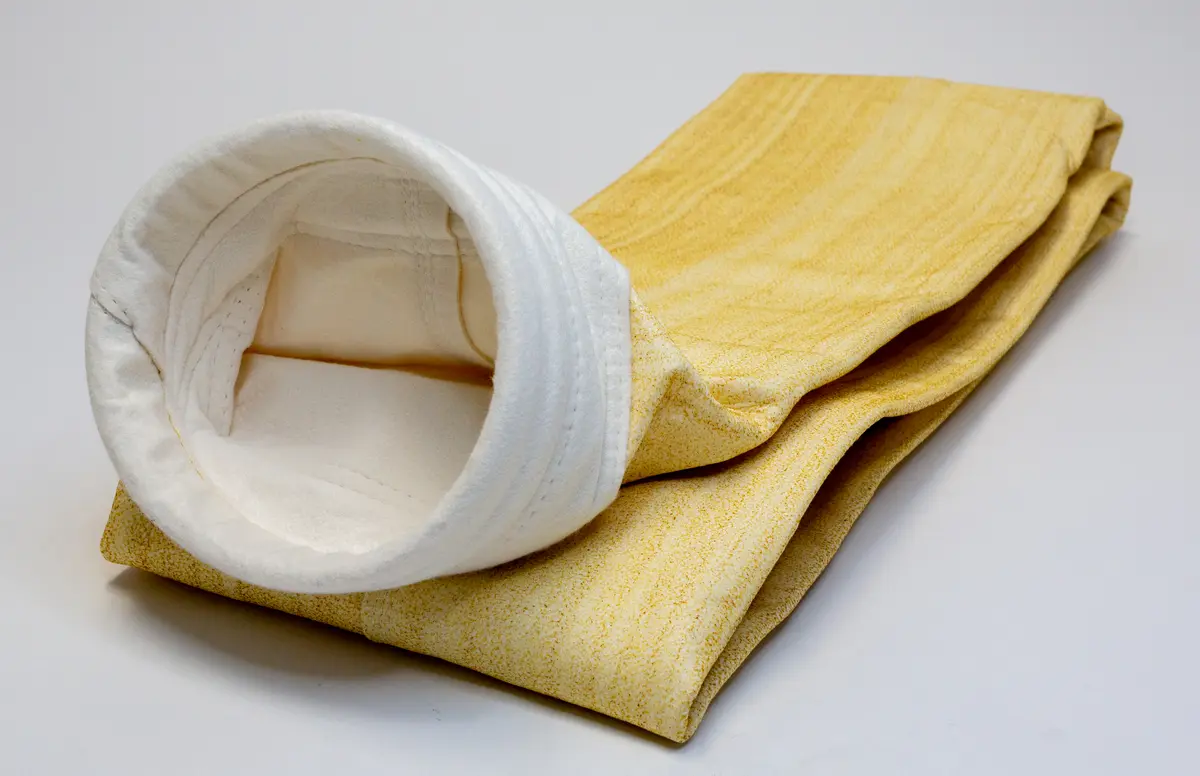
Flowmax Filtration Aramid (Nomex) Media Pulse Jet Filter bag
FlowmaxFiltration Aramid (Nomex) Media Pulse Jet Filter bag
How Are Baghouse Filters Cleaned?
To maintain efficiency and extend filter life, baghouses use various filter cleaning mechanisms to remove accumulated dust. The most common baghouse cleaning methods include:
Reverse Air Baghouse
Reverse air baghouses use low-pressure, high-volume air to gently clean filters. Clean air is blown in the reverse direction, causing the dust cake to detach and fall into the hopper. This method is gentle on filter bags, reducing wear, but typically involves higher energy and maintenance costs.
Pulse Jet Baghouse
A pulse jet baghouse (also known as a reverse-pulse baghouse) uses short bursts of compressed air to clean filters. Pulses are delivered through blowpipes mounted above the filters, dislodging dust instantly. Pulse jet baghouses are highly efficient, compact, and suitable for continuous operation, but require a reliable compressed air supply, which increases operational cost for large systems.
Other Cleaning Methods
Mechanical shaker baghouses
Medium-pressure air cleaning systems
Each cleaning method has specific advantages depending on dust type, airflow, and process conditions.
How Are Baghouse Filters Cleaned?
To maintain efficiency and extend filter life, baghouses use various filter cleaning mechanisms to remove accumulated dust. The most common baghouse cleaning methods include:
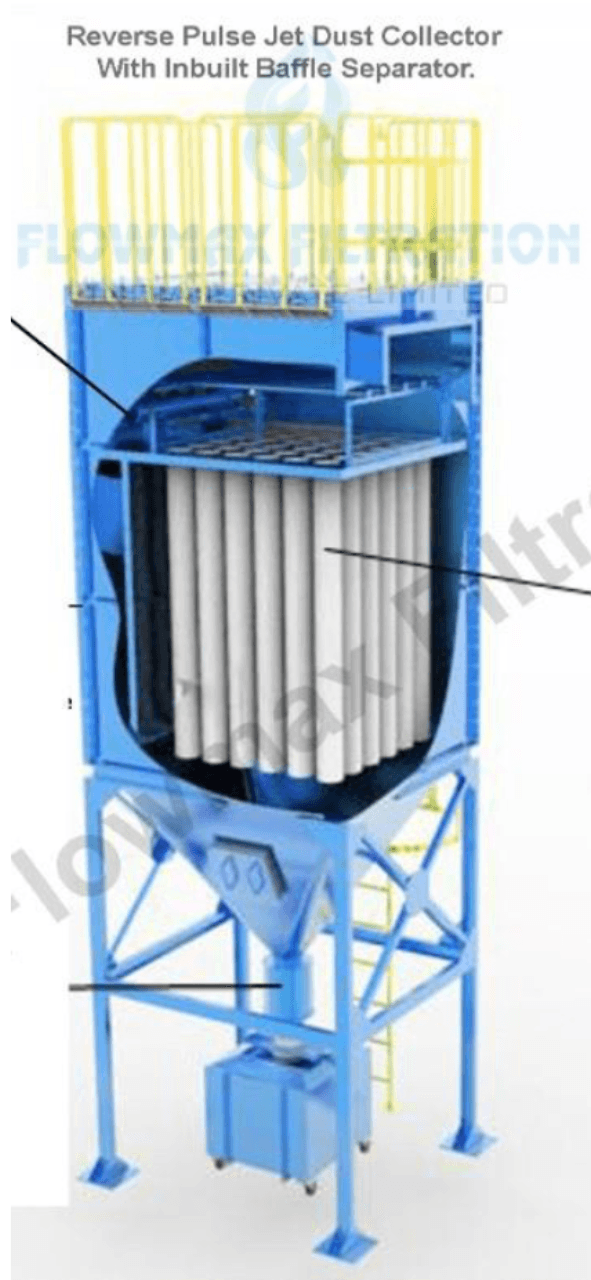
Reverse Air Baghouse
Reverse air baghouses use low-pressure, high-volume air to gently clean filters. Clean air is blown in the reverse direction, causing the dust cake to detach and fall into the hopper. This method is gentle on filter bags, reducing wear, but typically involves higher energy and maintenance costs.
Pulse Jet Baghouse
A pulse jet baghouse (also known as a reverse-pulse baghouse) uses short bursts of compressed air to clean filters. Pulses are delivered through blowpipes mounted above the filters, dislodging dust instantly. Pulse jet baghouses are highly efficient, compact, and suitable for continuous operation, but require a reliable compressed air supply, which increases operational cost for large systems.
Other Cleaning Methods
Mechanical shaker baghouses
Medium-pressure air cleaning systems
Each cleaning method has specific advantages depending on dust type, airflow, and process conditions.
Final-Stage Filtration-HEPA Filters
Afterfilters can be an essential accessory to a dust collection system as a backup filtration option to prevent dust collector leakage.

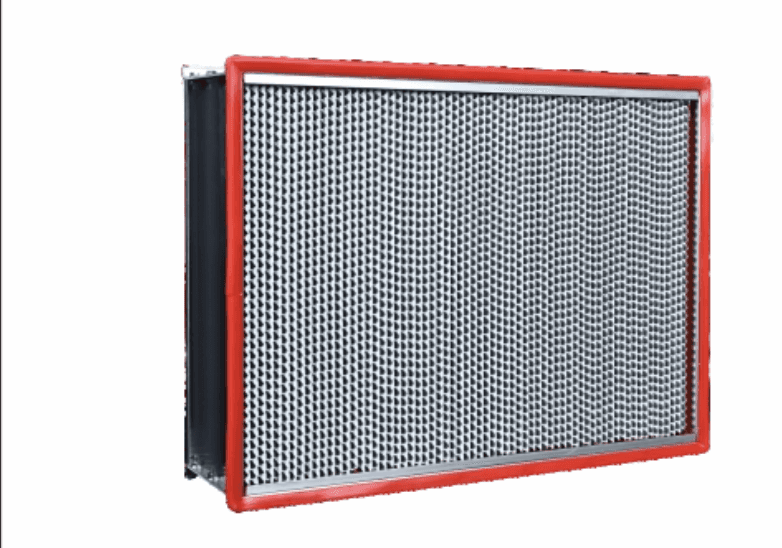
Final-Stage Filtration-HEPA Filters
Afterfilters can be an essential accessory to a dust collection system as a backup filtration option to prevent dust collector leakage.
Final-Stage Filtration-HEPA Filters
Afterfilters can be an essential accessory to a dust collection system as a backup filtration option to prevent dust collector leakage.
Factors That Affect Baghouse Performance
Several key factors influence the efficiency and lifespan of a baghouse dust collector:
Baghouse Size and Airflow Design
Incorrect sizing can lead to:
Poor dust capture
Short filter life
Increased pressure drop
Higher emissions and safety risks
Properly sized baghouses ensure optimal airflow, lower energy consumption, and stable operation.
Filter Media Selection
Using the wrong filter fabric can result in:
Rapid filter failure
Excessive pressure drop
Increased operating costs
Matching the filter media to the dust characteristics and process conditions is essential.
Cleaning System Type
The choice between pulse jet, reverse air, or mechanical cleaning significantly impacts:
Filtration efficiency
Maintenance requirements
Energy consumption
Overall operating cost
Selecting the correct cleaning mechanism improves system performance and reduces downtime.
A FlowmaxFiltration baghouse dust collector is a highly efficient and versatile industrial dust filtration system that plays a critical role in maintaining clean air, protecting equipment, and ensuring regulatory compliance. With the right design, filter media, and cleaning system, baghouses provide long-term, cost-effective dust control solutions for a wide range of industries.
Get a call back
Primarily based in Coimbatore, Flowmax Filtration India Private Limited is a prominent manufacturer of Industrial dust extraction systems, reverse pulse jet filters, and bag filter dust collectors.
Flowmax Filtration India Private Limited a leading manufacturer of Industrial dust extraction systems, reverse pulse jet filters, bag filter dust collectors from Coimbatore.